
The idea raised by the Economic Policy Council to stop accruing pension during studies is in direct conflict with the Finnish Government’s goal of raising the level of education. Pension accrued during a degree communicates that investing in education is valued. Together with pension accrual during parental leave and unemployment, this forms a consistent, fair, and equal line even for those whose path in working life is not linear. Interfering with this accrual, combined with the already threatened faith in education, sends a harsh message to young people whose confidence in the future is already being tested.
It has not been long since an agreement was reached on the content of the pension system reform. The foundation of the consensus and the entire system is the promise that by working, one secures their old age or protects themselves against unexpected changes in life. This pension promise must hold true in the future as well, which is why the system must be developed with a controlled approach. This is precisely why it is paramount to pay attention to the younger generations. In terms of numbers, young people are a small group, and with the decline in birth rates, this number will only decrease in the future. The concern over the adequacy of pension contributions and the sustainability of the entire system for decades to come rests on the shoulders of the young. This signals ever more clearly that our society cannot afford to lose a single young person to disability.
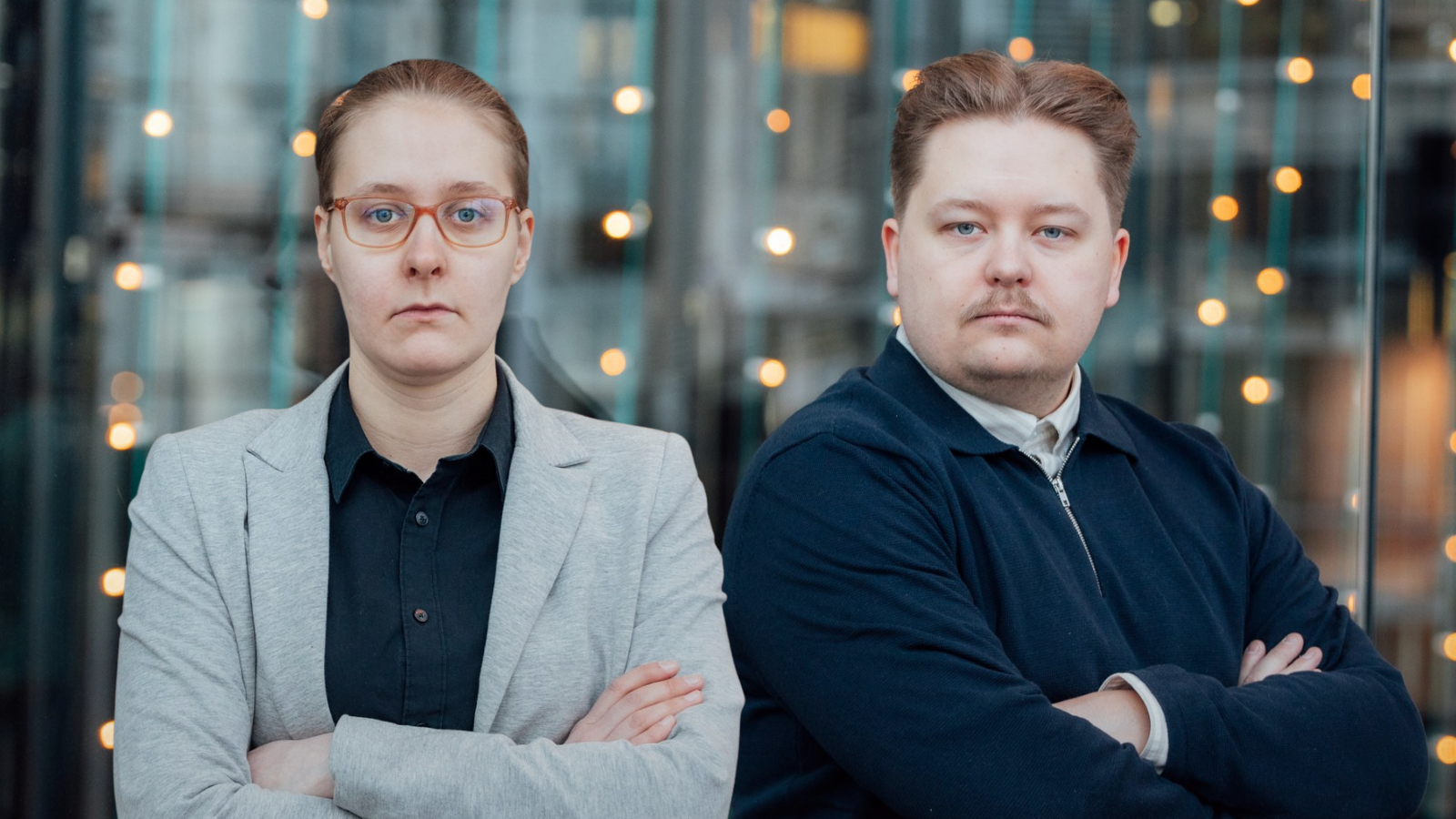
“Therefore, instead of looking for quick fixes from the pension accruals of the young, we should invest in the ability to study and work, as well as in confidence in the future. Only by investing in the capacity to work and study can we achieve unbroken careers and thus a sustainable level of pension contributions for the years to come,” reminds Jere Tapio, SAMOK’s Special Adviser on Wellbeing Policy.
With current trends, younger generations will pay a significantly larger proportion of their income in pension contributions than previous generations. Increasing contributions without guarantees of future pension levels makes the system completely unsustainable. Young people want to participate actively in building sustainable solutions. An example of this is the proposal for intergenerational funding made by youth organisations during the pension negotiations, through which the aforementioned government savings target regarding pension accrued from degrees could be achieved without interfering with pension accruals.
“It is not the time to just patch up holes, but to maintain a system that young people can look upon with pride even decades from now. Pensions must not be just a matter of faith for young people, but a reliable promise that carries through life,” points out Laura Laakso, Vice President of the SAMOK Executive Board.
The pension promises already agreed upon must be fulfilled for everyone: for those enjoying their earned pensions today, and for those whose careers will only begin tomorrow. Intergenerational justice is not just for ceremonial speeches; it is a solid foundation for a sustainable system and long-term societal stability.
More information:
Jere Tapio, Special Adviser on Wellbeing Policy
+358 40 760 9463
[email protected]
Laura Laakso, Vice President of the Executive Board
+358 50 300 1550
[email protected]